
Our Mission to Simplify Recycling
We are dedicated to providing you with the accurate information needed to master recycling. Our mission is to make sustainable waste management simple, accessible, and effortless for everyone, creating a cleaner future for our planet.
Recycling Basics
A systematic guide to identifying and sorting common materials for effective recycling.
1
Plastics
Check for the recycling symbol and number. Rinse, clean, and dry containers before putting them in the recycling bin.
2
Paper
Remove food residue and paperclips. Avoid glossy or wax-coated paper as it can contaminate the stream.
3
Glass
Always rinse and dry bottles. Glass is infinitely recyclable and should be placed in your curbside recycling bin if accepted by your local recycling program.
4
Electronics
Dispose of batteries and small electronics at designated collection points or through certified e-waste programs.
PLASTICS • PAPER • GLASS • ELECTRONICS

The Impact of Proper Recycling

Recycling one ton of paper saves 17 trees, 7,000 gallons of water, and up to 7,000 kWh of energy.

Properly sorting plastics reduces ocean pollution and protects marine biodiversity for future generations.
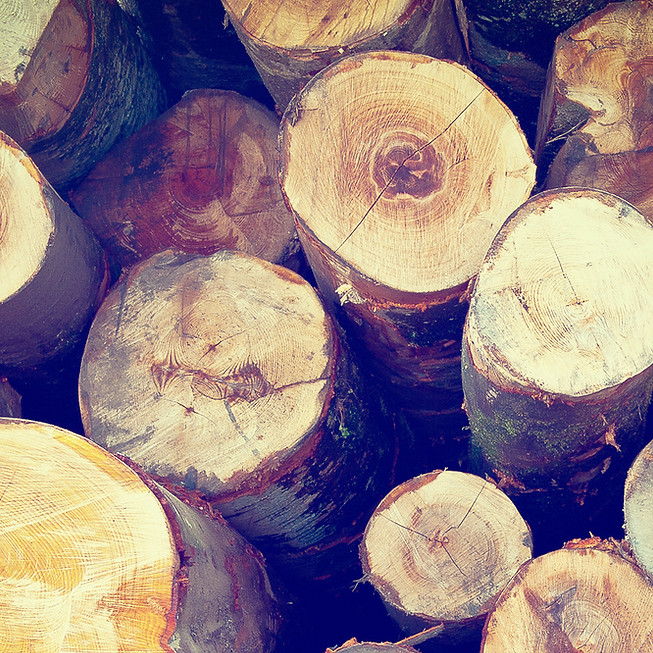
Reducing landfill waste extends the lifespan of our finite natural resources and lowers carbon emissions.